Unlock the Hidden Power of Movement for Stronger Vocabulary
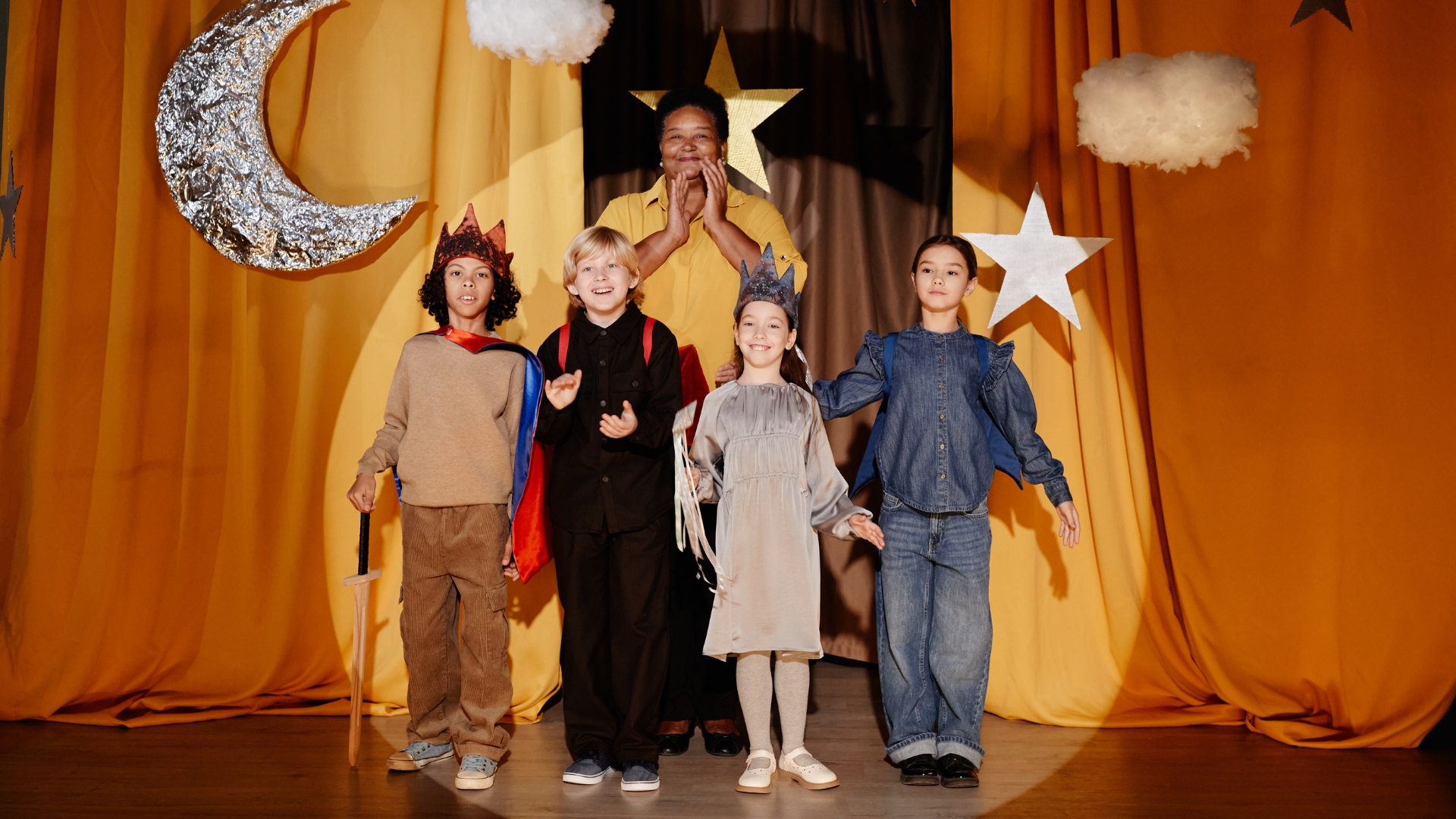
Most people imagine vocabulary lessons as worksheets or flashcards — but kids learn words best when they move. Research shows that active learning strengthens memory, boosts comprehension, and helps multilingual learners, neurodivergent students, and reluctant readers learn faster.
At Masterpiece Academy, we use these strategies daily. Want to understand your child’s reading and writing strengths?
Why Movement Matters
Studies show that when children interact with words — sorting, ranking, gesturing, building — they form stronger semantic connections. In classrooms using movement:
-
Kids debate word meanings
-
Shift word cards around
-
Gesture to explain ideas
-
Revise thinking aloud
This boosts comprehension and retention. Movement helps the brain remember.
The Science Behind Active Vocabulary Learning
Researchers highlight four key benefits:
-
Frees up working memory — Gestures lighten cognitive load.
-
Builds reasoning — Moving words requires comparison and justification.
-
Supports multilingual & neurodivergent learners — Multiple ways to enter the learning.
-
Makes learning social — Kids talk, move, collaborate, and engage more.
How We Teach Vocabulary Through Movement
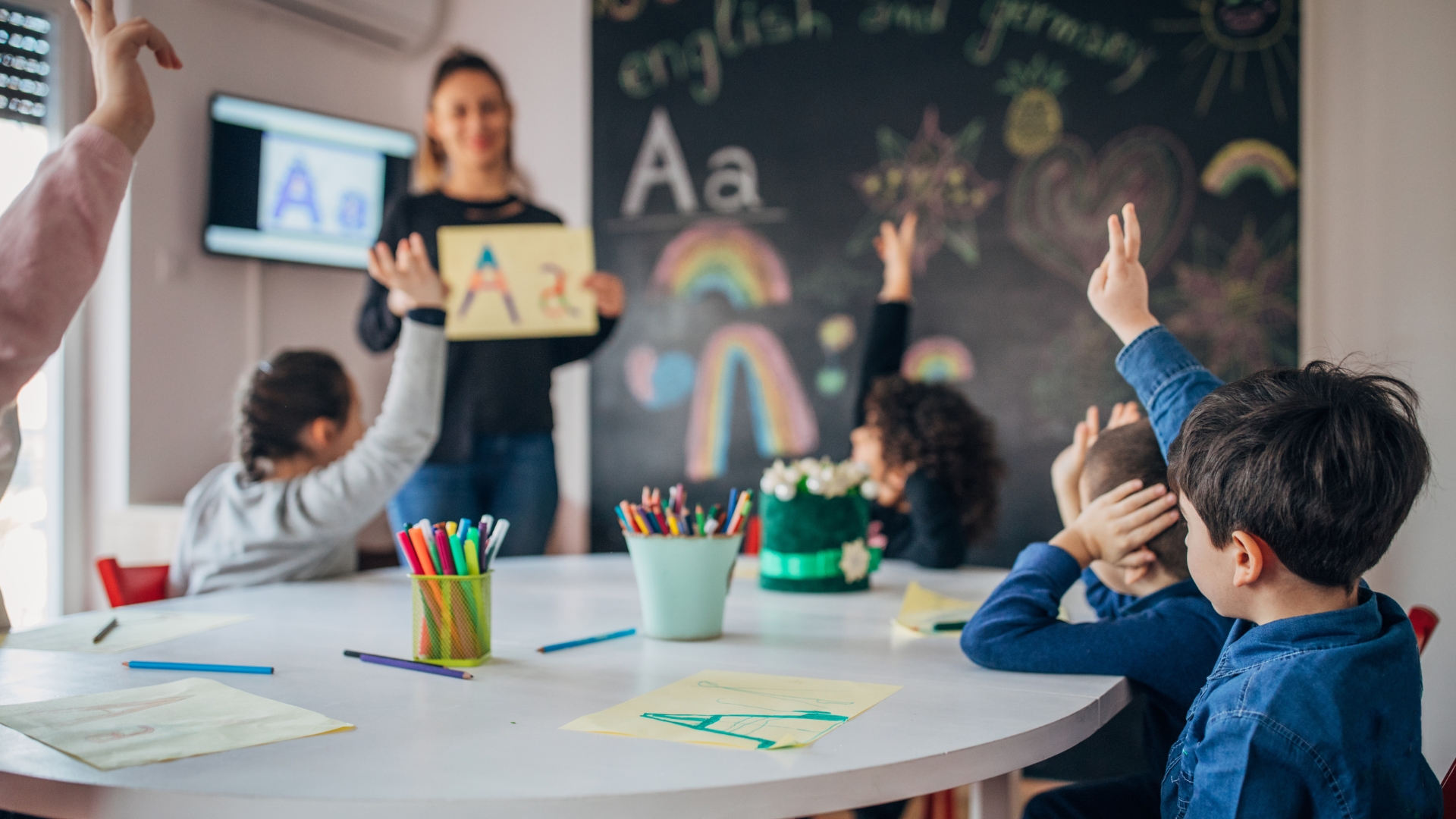
1. Semantic Gradients on Whiteboards
Students sort, rank, and map words — a routine that prepares them for advanced reading challenges.
2. Role-Play for Word Meaning
Students act out emotions, actions, and academic vocabulary to make meaning concrete.
3. Movement Stations
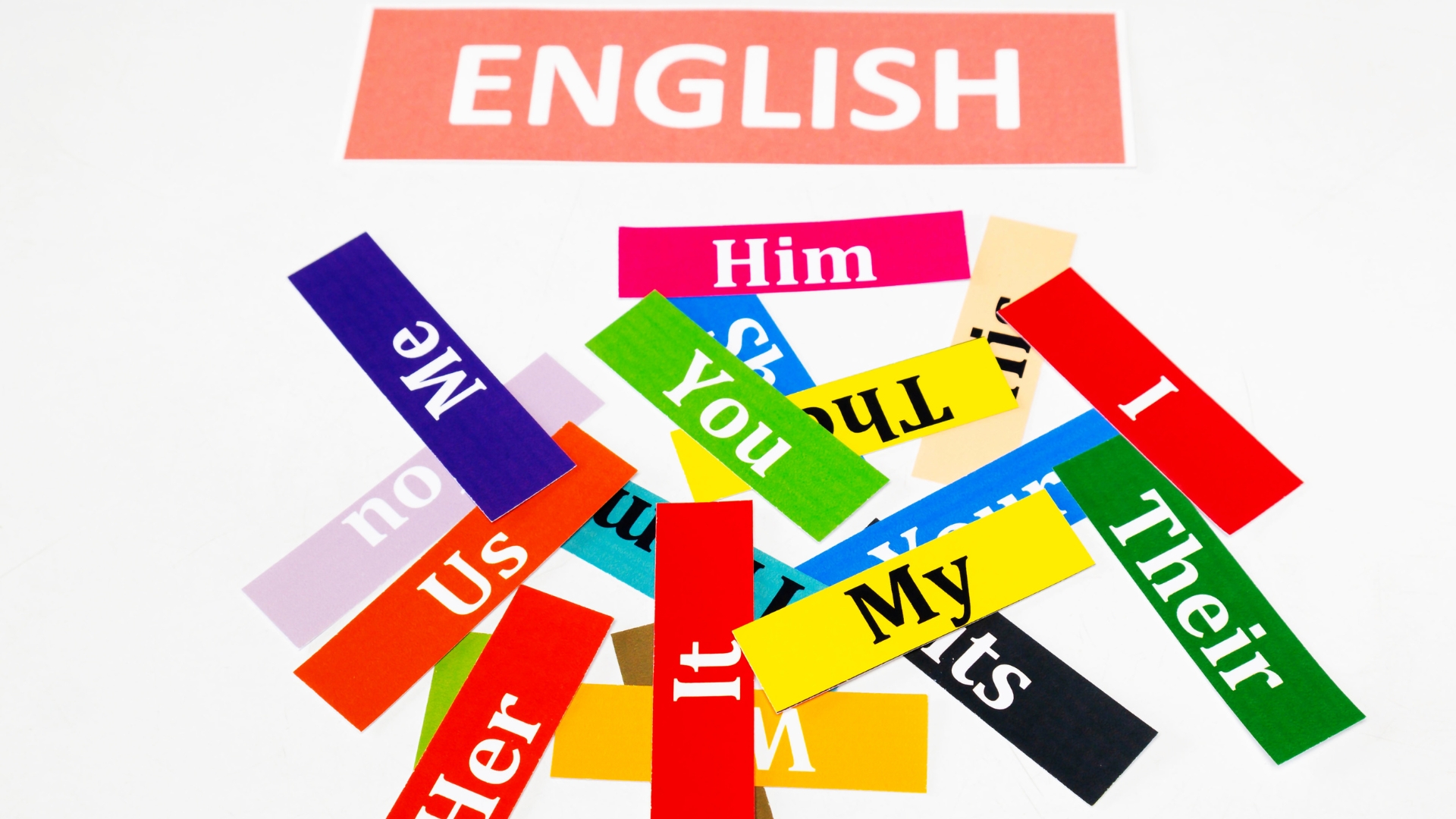
Kids rotate through stations to match words to images, build maps, or create skits using new terms.
4. Writing With Strong Vocabulary
Students embed vocabulary in stories, paragraphs, responses, and reflections — building lasting comprehension.
Movement Builds Comprehension Too
When vocabulary is deeper, comprehension grows. Children can infer, visualize, understand tone, and analyze texts with greater precision. This matters for:
-
Gifted placement
-
Standardized tests
-
Advanced reading pathways
-
Essay-based assignments


Easy Movement Activities You Can Do at Home
✔ Word Charades
✔ Sorting Cards by intensity or feeling
✔ Family Semantic Gradients
✔ Storytelling with challenge words
Small routines → big gains.
Give Your Child a Vocabulary Boost
Vocabulary shapes everything: reading, writing, speaking, confidence, and critical thinking. If you're ready to help your child grow, start here: